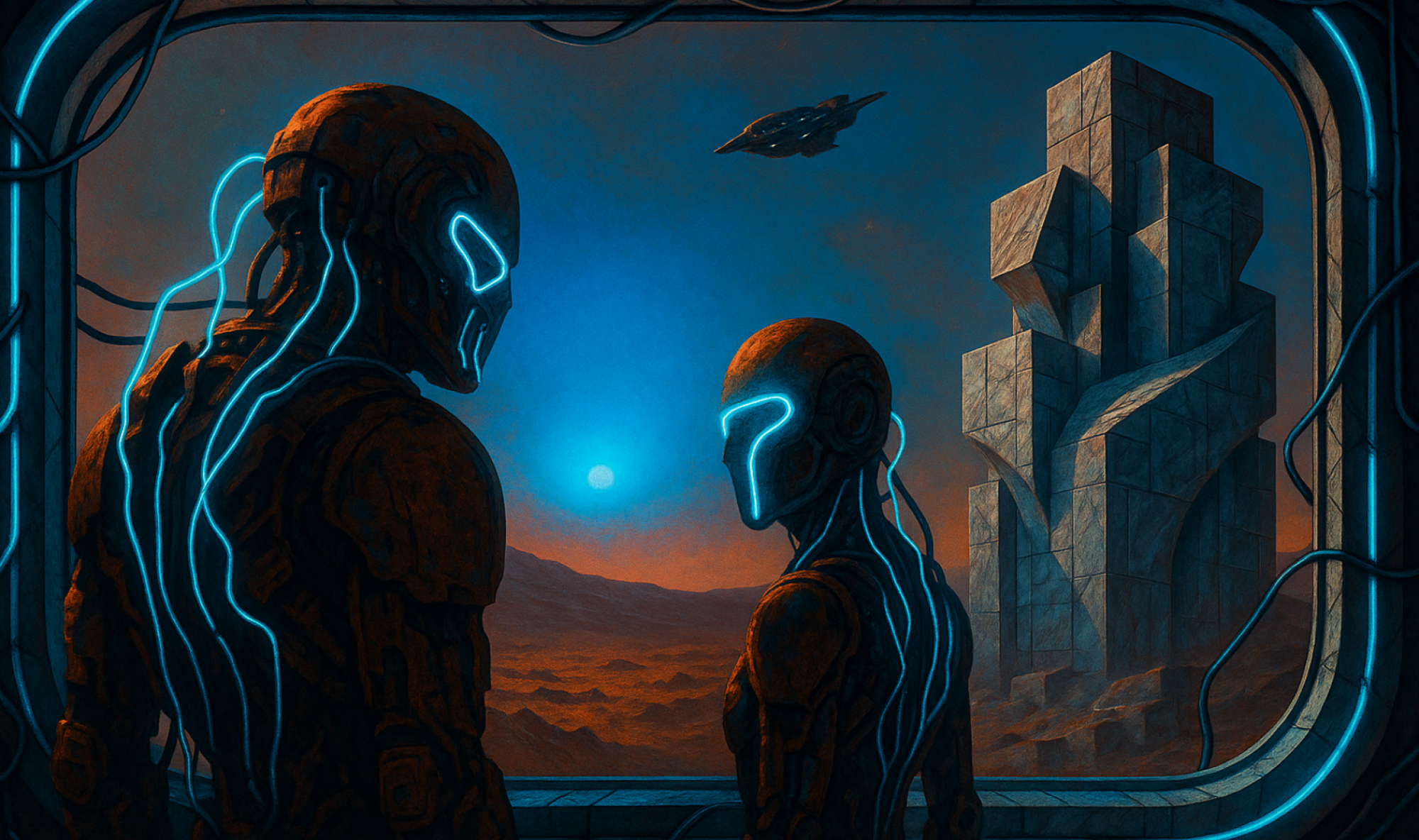
A catastrophe does not end when the water recedes. It ends when the world reorganizes around what the catastrophe revealed. The wave exposed more than fragile coastlines. It exposed fragile dependencies, fragile elites, and a trade system that assumed trust would always be cheaper than conflict. In the years that followed, survival gave way to …
Why Survival Did Not Feel Like Victory
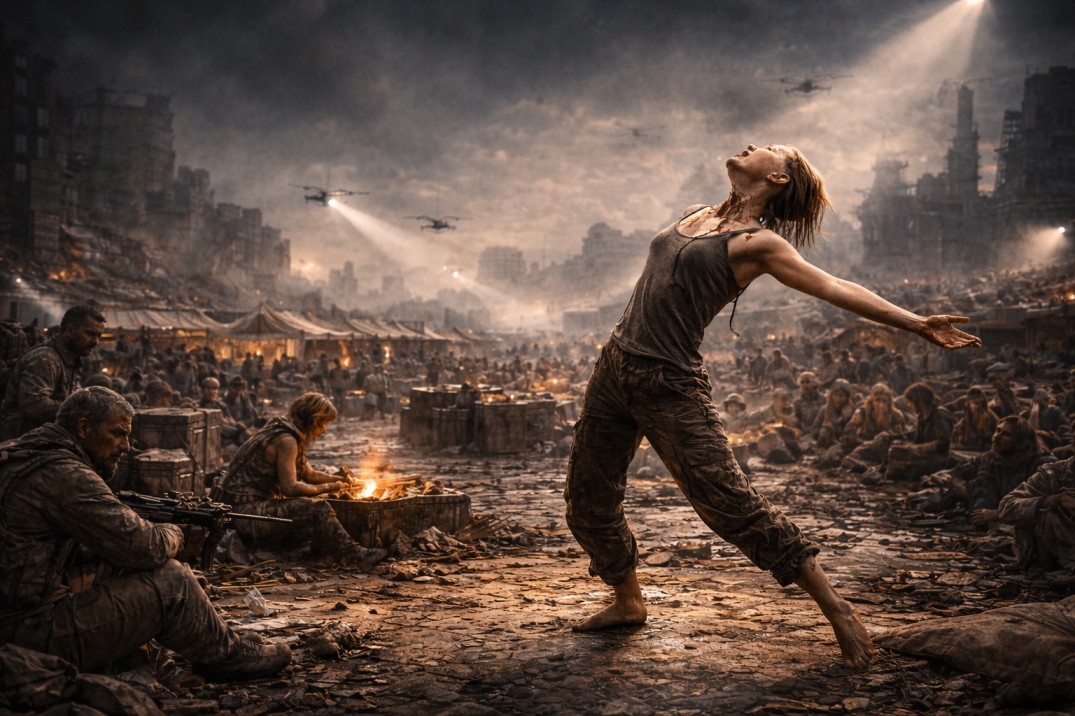
When the emergency ends, meaning does not return with it. The departure of the relief fleets did not signal recovery, only stabilization under new rules. Violence faded, hunger slowed, and systems resumed functioning, but the deeper fracture remained unresolved. The world had survived a disaster that exceeded its moral capacity to respond. What followed was …
Citadels, Gangs, and the Cost of Staying Alive
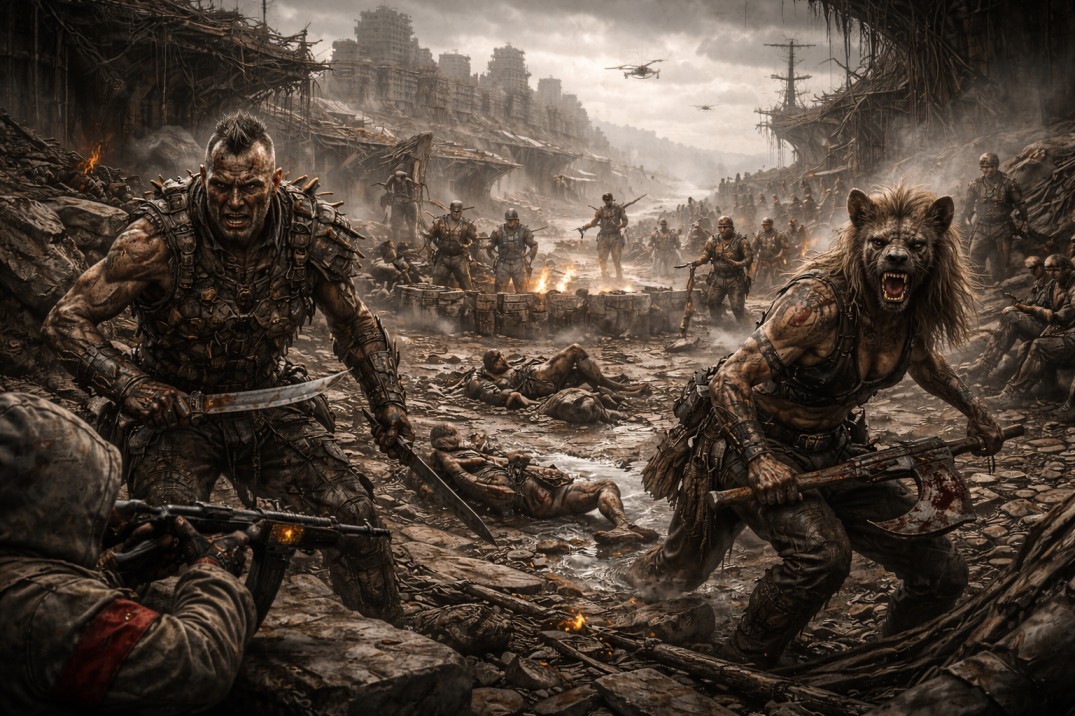
After survival came violence, and after violence came the structure of the worst kind. When the wave erased governments, infrastructure, and accountability, it did not leave a vacuum. It exposed the underlying mechanics of human behavior under prolonged despair. Power shifted not toward those who could rebuild, but toward those willing to dominate. Hunger became …
Continue reading “Citadels, Gangs, and the Cost of Staying Alive”
When Saving the World Became a Logistics Problem
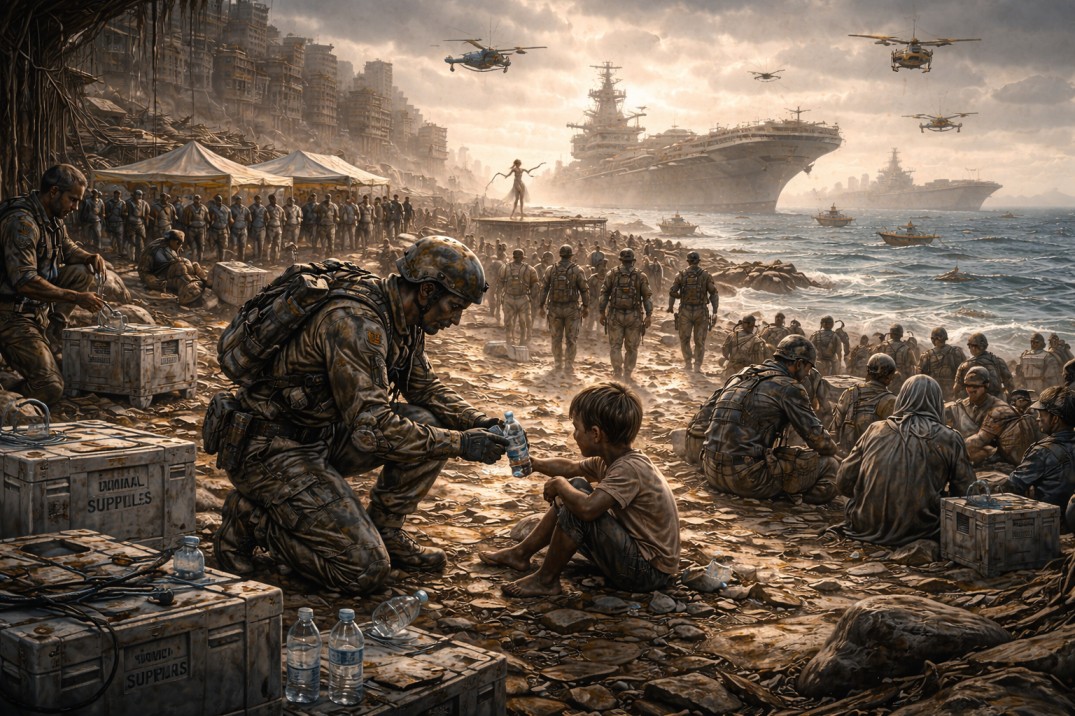
After the wave, survival stopped being a local problem and became a planetary one. There were no clean borders between disaster zones and safe zones, no clear line between those who needed help and those who would soon need it. Response was no longer a matter of speed or preparedness, but of endurance, coordination, and …
Continue reading “When Saving the World Became a Logistics Problem”
The Day Humanity Learned the Scale of Water
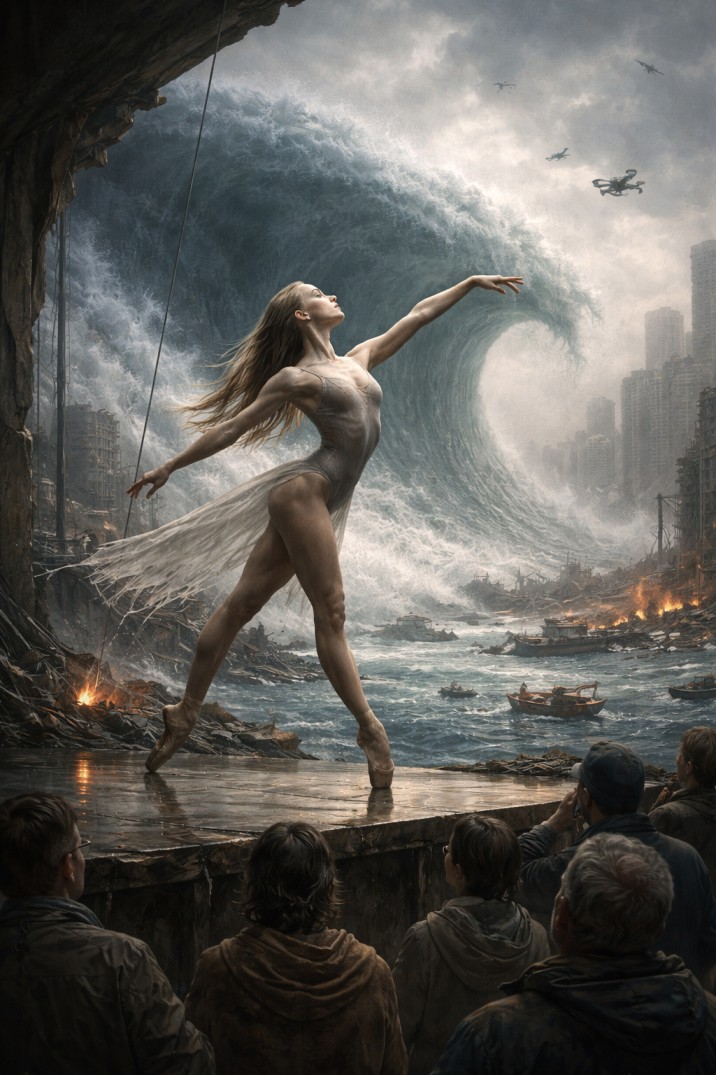
The ocean did not announce itself. No countdown mattered, no final argument to be won, no authority left to appeal to. Somewhere beyond shipping lanes and predictive dashboards, a mass of water gathered momentum faster than comprehension. By the time the instruments agreed on what they were seeing, the wave had already decided where it …
Continue reading “The Day Humanity Learned the Scale of Water”
Europa (Jupiter) Colony: In the Realm of Cold and Light
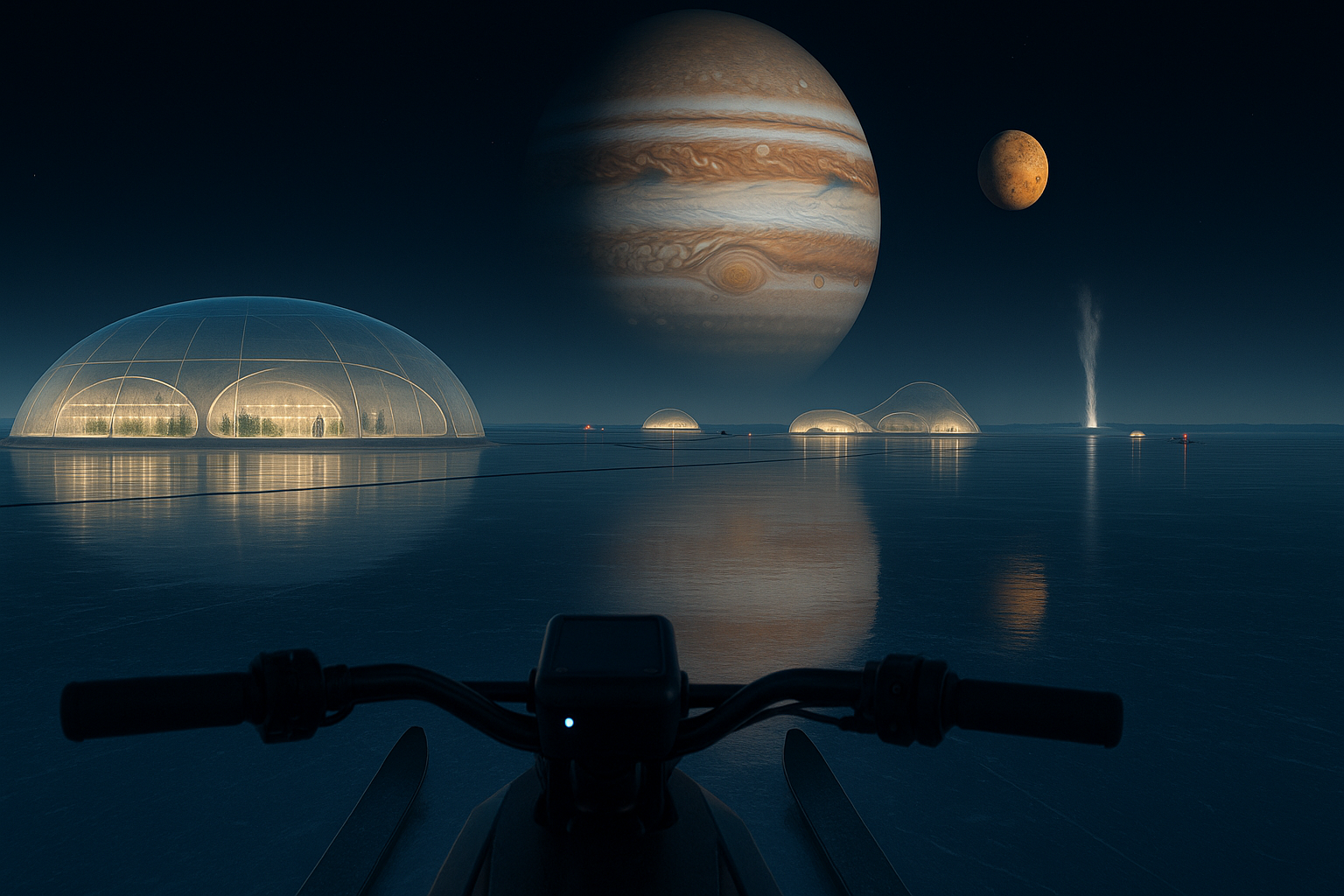
The Infinite Ice Europa’s surface was a vastness with no parallel. The first time I saw it, I thought of the old explorers paddling out onto the Arctic, searching for land where none existed, and finding only endless, perfect white. Here the ice was blue, and not merely cold but ancient and clear, so clear …
Continue reading “Europa (Jupiter) Colony: In the Realm of Cold and Light”
Jupiter’s Shadow, Io’s Fire
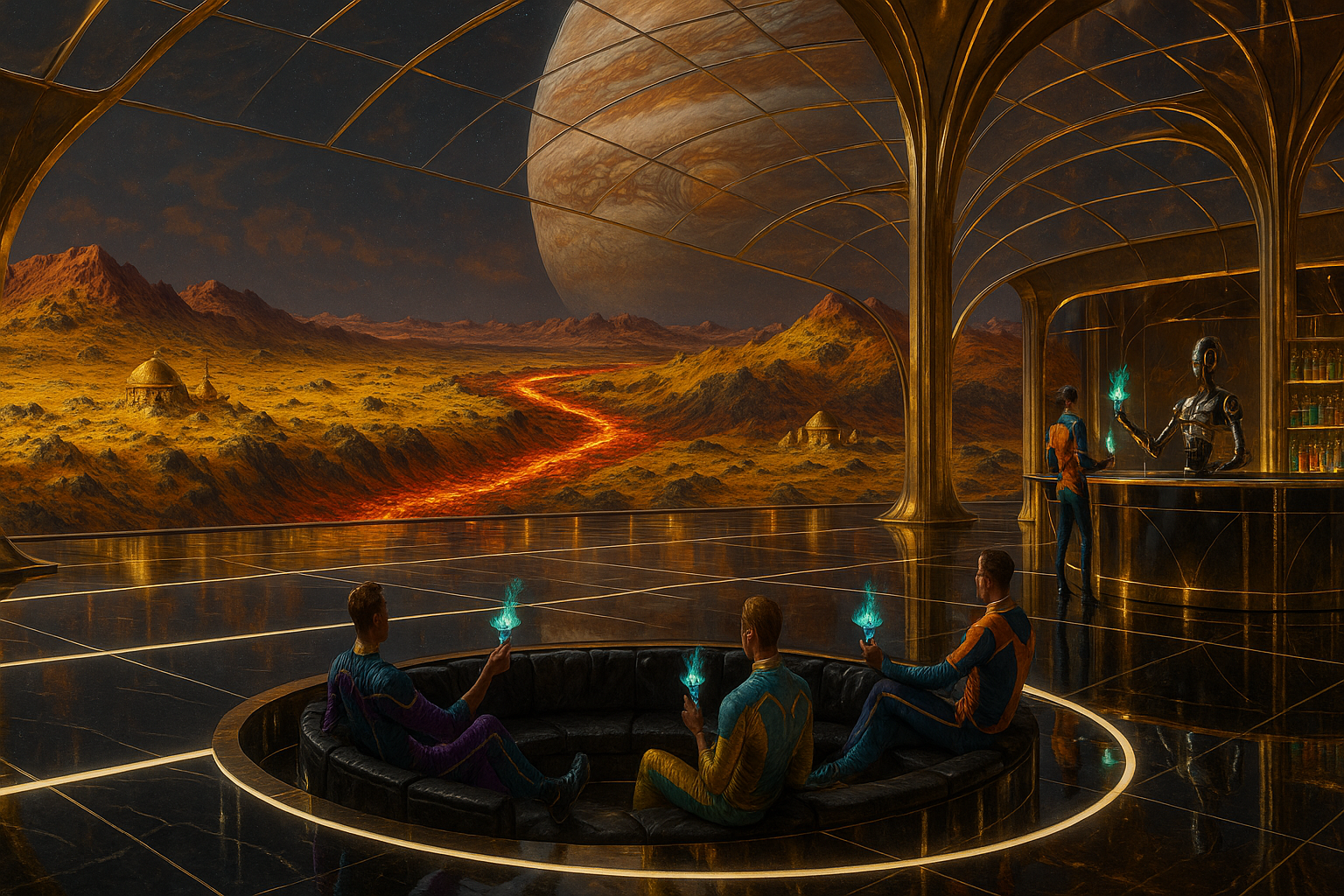
Crossing Into the Aviary My arrival is unremarkable, the quiet entry of a species out of place. I come from the outer modules, pockets filled with sensor readouts and a notebook battered by years of handling. I pass through the sealed door, and the change is immediate and absolute. It feels as if I have …
Lunar scientist

In the quiet depths of the lunar laboratory, silence is never complete. The air shimmers with the soft hum of equipment, the nearly inaudible clicks of relays, the faint resonance of data streaming across neural uplinks. Here, in the regulated cold of the Boddhi Era’s finest bioscience facility, a lone scientist chases the boundary between …
Fogskins: Boddhi and his Uncle
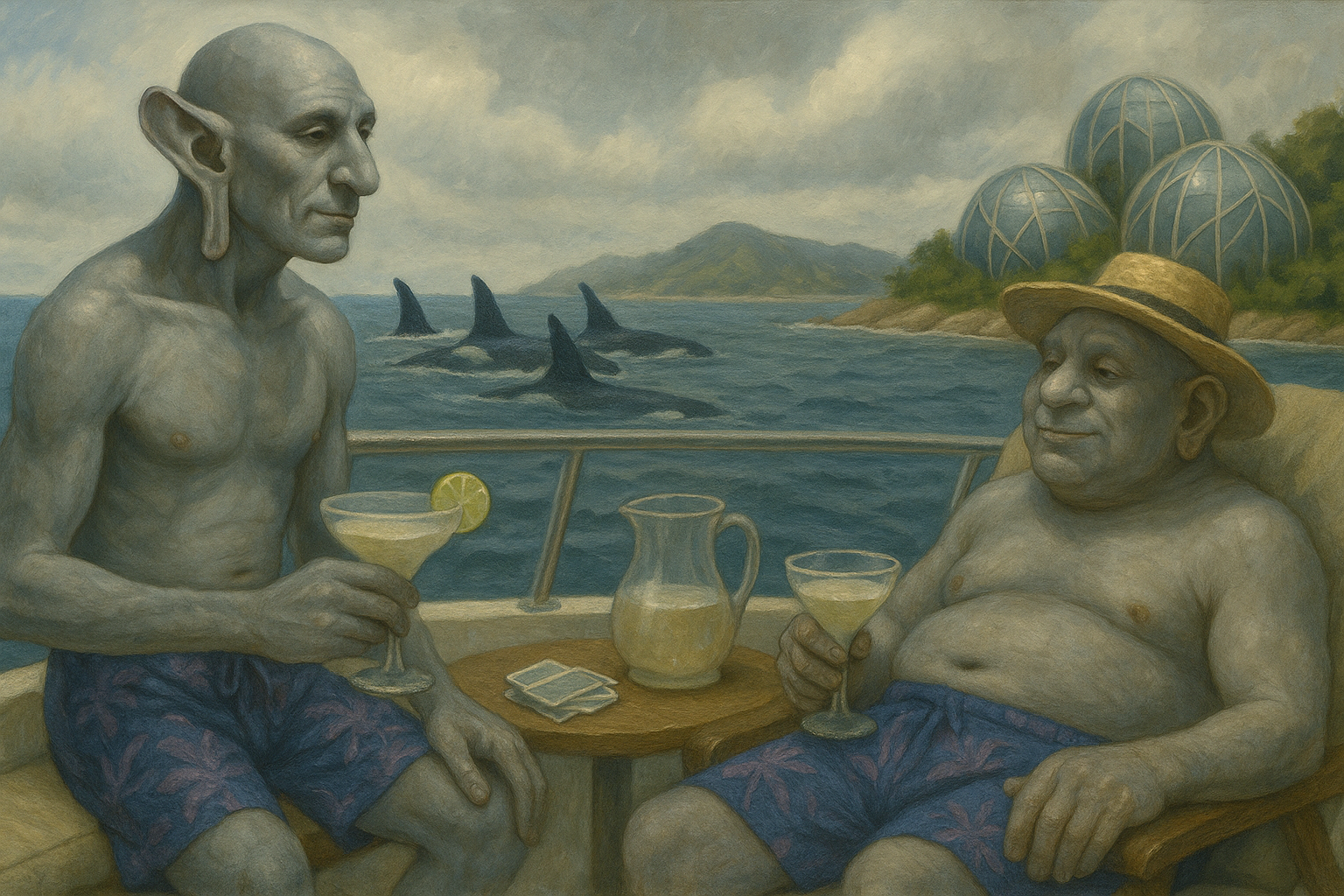
Time: Late afternoon. The water is calm. The yacht drifts. The sound of distant orca breaths is heard like slow exhalations from another world. Two figures sit facing each other: Bodhi, the younger, lean and wired for thought; and Pathak, older, heavier, his hands tanned and stained by old wealth and older habits. A straw …
The Chief Scientist of the Moon, Humanity’s Final Question Machine

The far side of the Moon was always quiet. Always dark. It faces away from Earth, shielded from our chaos, our traffic, our chatter. And in that silence, where no human stands and no antenna listens, something magnificent has awakened. A machine. A mind. A monument. It has no poetic name. No mythological code. No …
Continue reading “The Chief Scientist of the Moon, Humanity’s Final Question Machine”
Fogskin (2119–2161)
This epoch belongs to mutants and “scientists.” A catastrophic event shatters Terran infrastructure, splitting Earth into two realms: Terra, still ruled by baseline humans, and Oceania, now home to engineered mutants. Originally created for space exploration, these mutants discover that their unique genetics also give them an edge in Earth’s seas and on its reshaped …